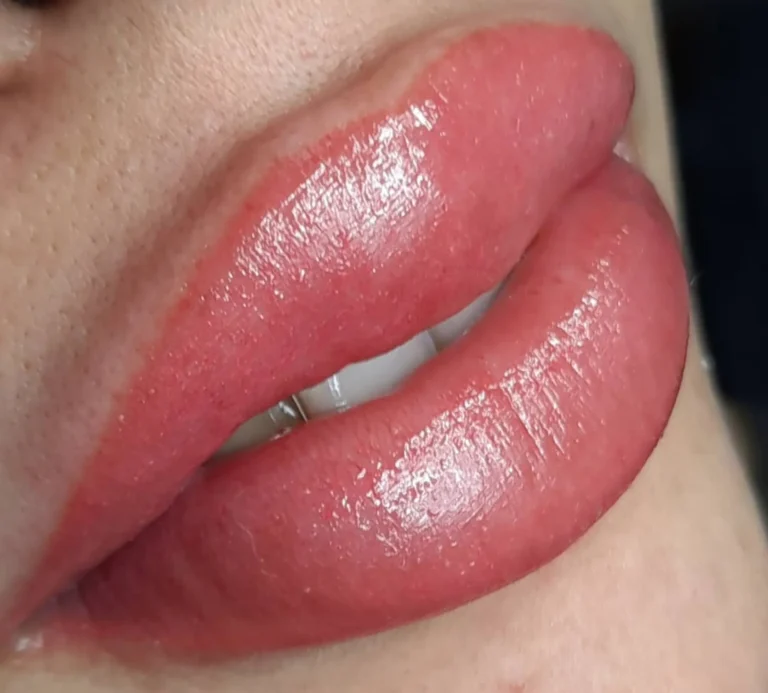







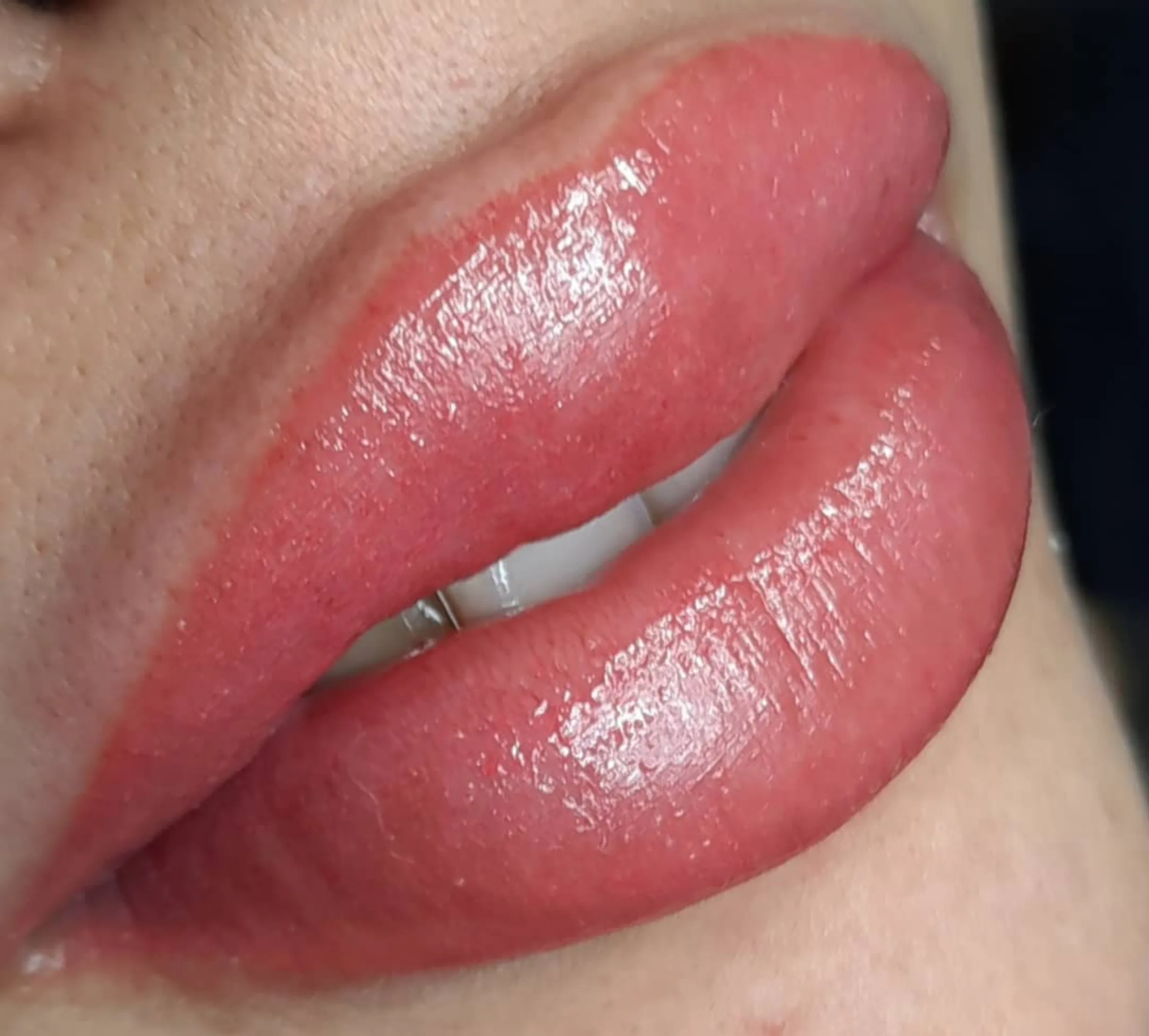
So you’re thinking about getting your lips tattooed—maybe a soft blush tint or a crisp lip liner tattoo. And then it hits you: how much is this going to hurt? Cue the Google spiral. Somewhere between “pain-free permanent makeup” and “worst pain of my life,” you’ll find the real answer: it depends. But one thing most clients want to know straight away is whether numbing cream actually helps.
In this blog, we’re breaking down exactly what numbing products do, how they’re used in lip tattooing and whether they make a real difference to comfort levels. If you’ve ever typed “does lip tattoo numbing cream work?” into your search bar—this one’s for you. We’ll also touch on related cosmetic procedures like Lip Blush, semi-permanent makeup and topical anesthetics.
Contents
- 1 Why Lip Tattoos Feel So Weird
- 2 What Numbing Creams Are Made Of
- 3 How It’s Used During a Lip Blushing Appointment
- 4 Does It Work? Here’s What Clients Say
- 5 What Impacts Numbing Effectiveness?
- 6 Is There a Downside to Using It?
- 7 What’s the Industry Standard?
- 8 Numbing Cream vs No Numbing: Quick Comparison
- 9 2025 Update: What’s New in Lip Tattoo Comfort
- 10 Final Thoughts: Is It Worth It?
- 11 FAQs
Why Lip Tattoos Feel So Weird
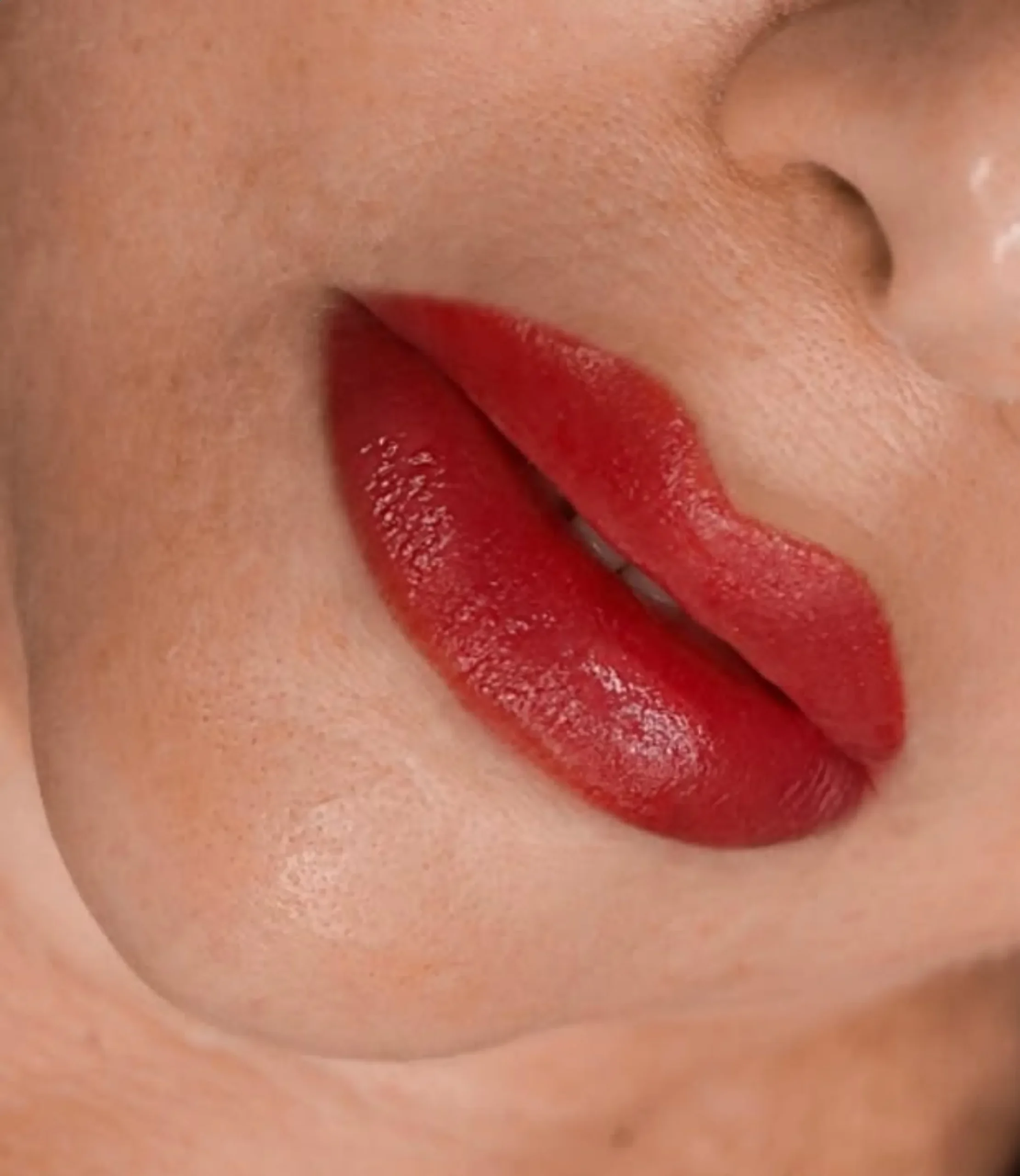
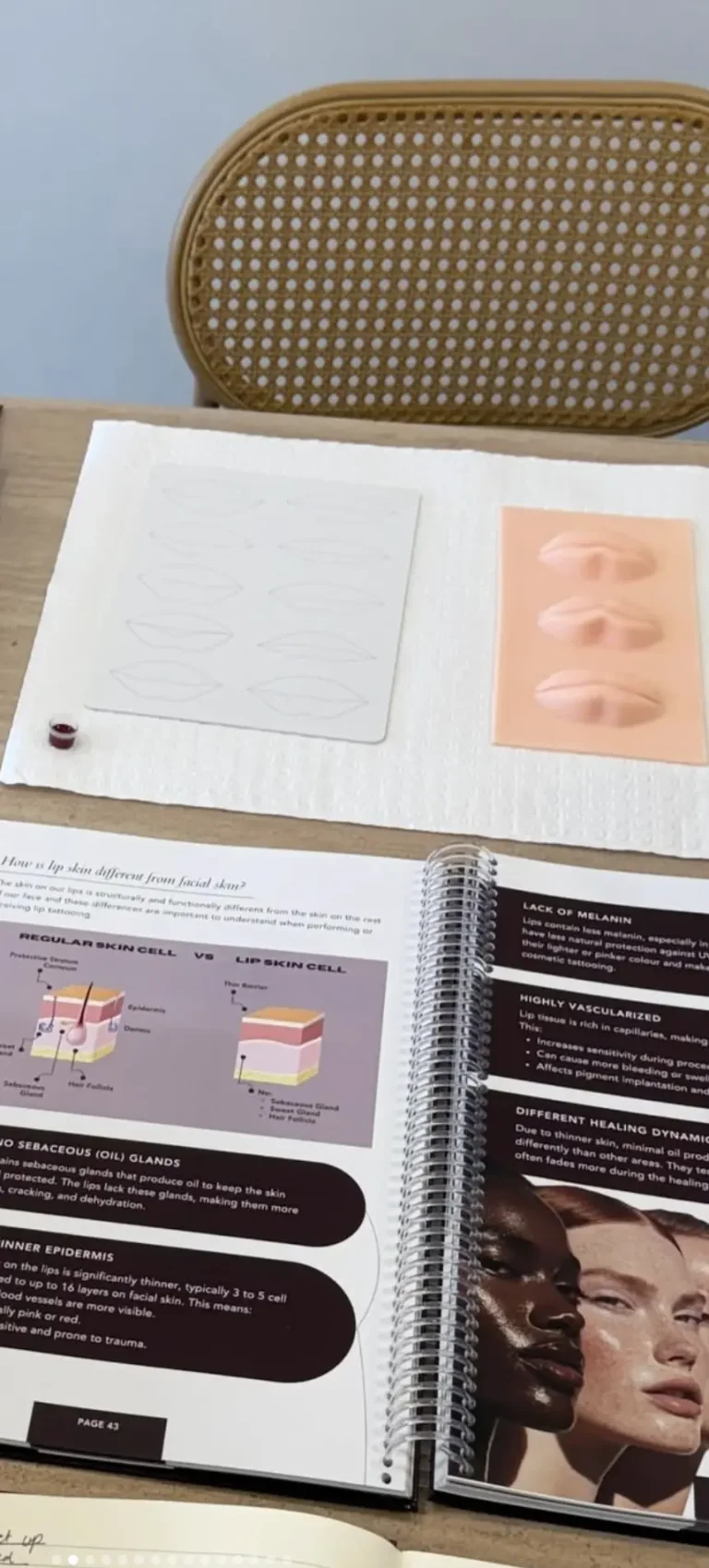
Not all skin is created equal—and lips are some of the most sensitive areas on the face.
The skin on your lips is thinner, with more nerve endings and less oil production. That means:
- Sensations are amplified (thanks, nerve pain signals).
- Healing is trickier (because of all that movement and moisture).
- And the colour can be harder to retain if the skin is stressed.
This is why comfort during the tattooing procedure matters—not just so you can lie back without flinching, but to help your body stay relaxed, oxygenated and less inflamed. That’s where topical anaesthetic and skin-numbing creams come in.
For clients with darker natural pigmentation or uneven tones, lip neutralization may be recommended as a preparatory step before applying coloured pigment.
What Numbing Creams Are Made Of
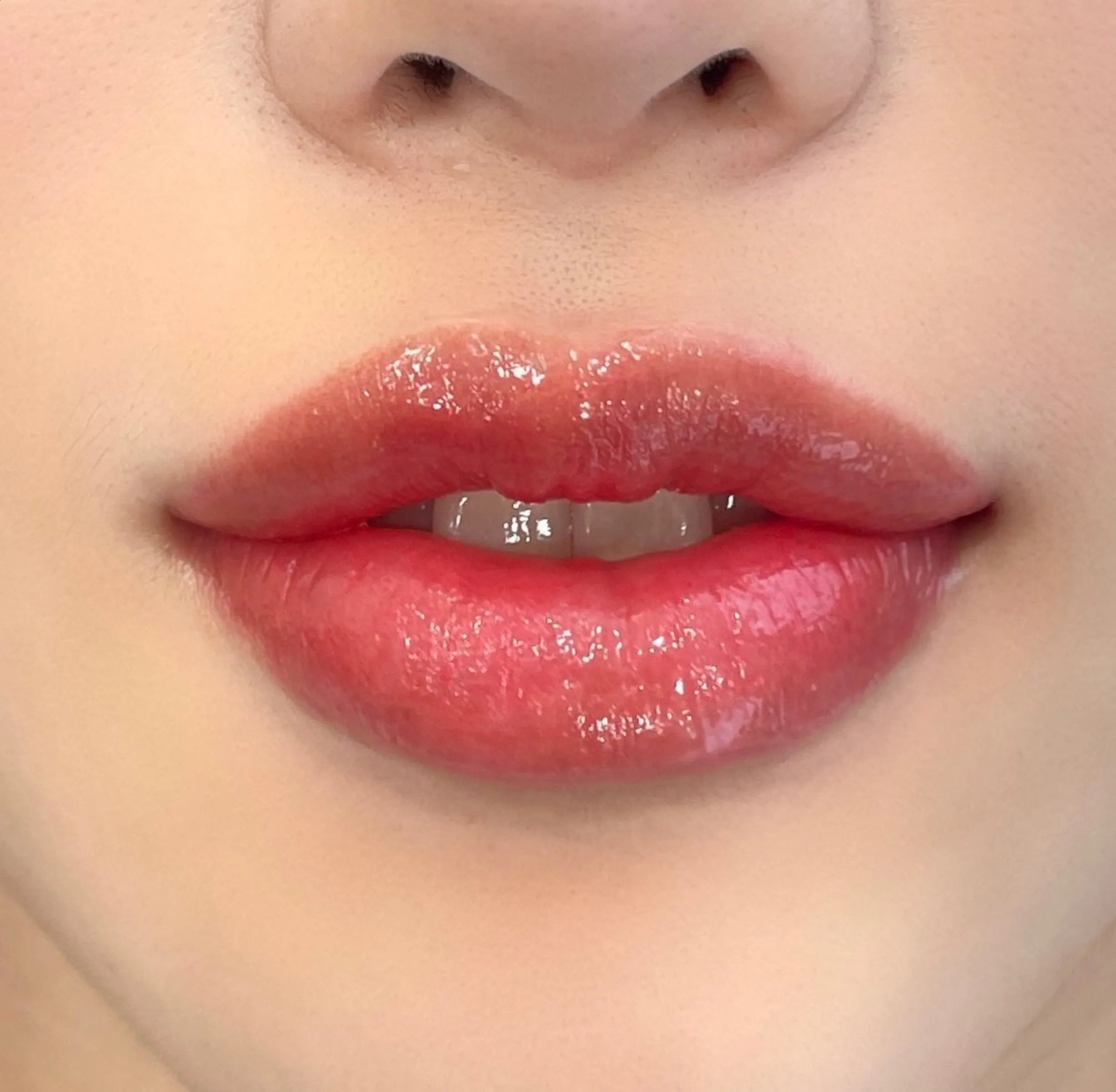
Most numbing creams used in cosmetic tattooing are topical anesthetics. The main ingredients you’ll see on the label are:
- Lidocaine (the big one – usually 4–10%)
- Tetracaine or Benzocaine (often used in combo formulas)
- Epinephrine (in secondary numbing to reduce bleeding and swelling)
These creams are formulated to block the sodium channels in your nerve endings, dulling sensation in the area. It’s not like going to the dentist and getting frozen—but it can significantly reduce discomfort during a lip blush tattoo session.
How It’s Used During a Lip Blushing Appointment
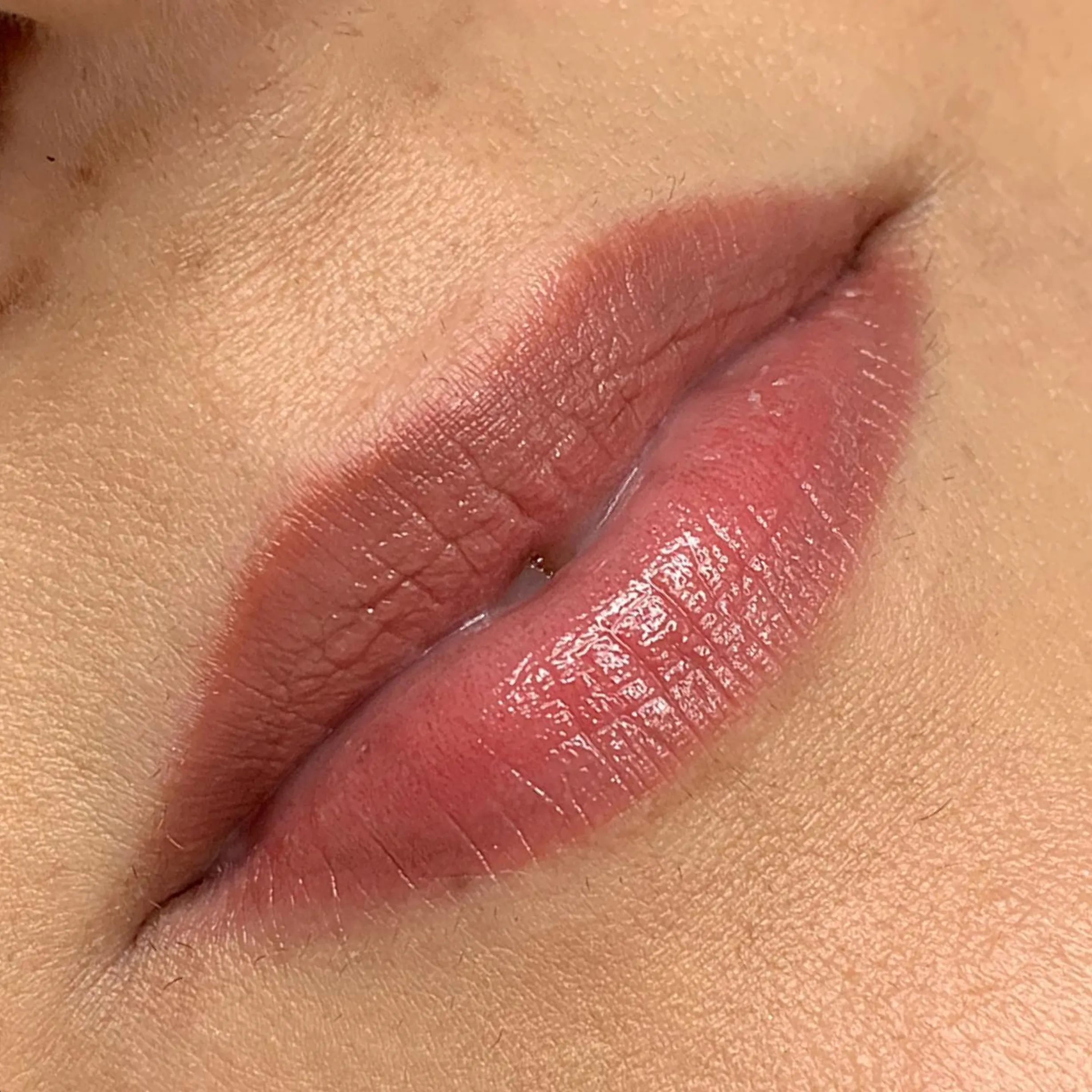
In a pro cosmetic tattoo studio, we use two types of numbing:
- Primary Numbing Cream — applied 15–20 minutes before tattooing starts. This pre-numb is done on intact skin and takes the edge off the first pass.
- Secondary Anesthetic Gel — applied once the skin is open (after the first pass) to maintain comfort. These formulas often include epinephrine to reduce bleeding and swelling.
Important: Only professionals with certifications in cosmetic tattooing should apply broken-skin numbing agents. You should never DIY this at home.
Whether you’re coming in for a classic lip liner tattoo or a full lip blush, numbing makes the session as smooth as possible.
Does It Work? Here’s What Clients Say
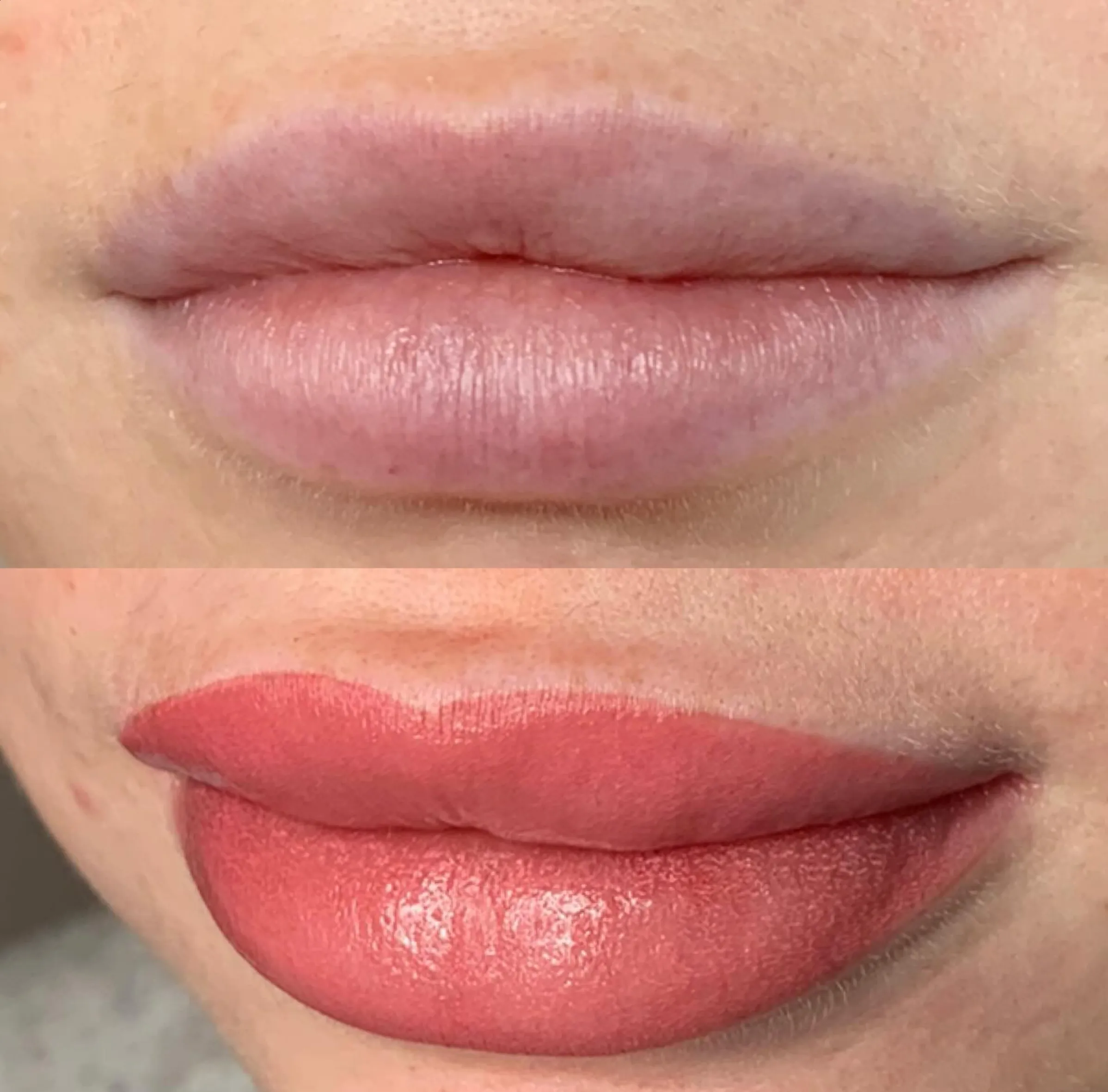
Short answer: yes—for most people, numbing cream helps a lot. But it’s not a magic eraser.
Here’s what I’ve seen in the Cosmetic Tattoo Studio Face Figurati in Melbourne:
- Clients with a higher pain tolerance often say they felt very little, just some pressure or buzzing.
- Those with sensitive areas or anxiety might still feel moderate discomfort, especially near the vermilion border (the edge of the lips).
- Secondary numbing is the game-changer—it’s where most clients go from “oh wow that stings” to “okay, I can relax now.”
If you’re considering a cosmetic lip tattoo for the first time, knowing the numbing cream works can ease a lot of anxiety.
And honestly? Most clients are surprised. They expect agony and end up saying, “That wasn’t nearly as bad as I thought.”
What Impacts Numbing Effectiveness?
Your skin isn’t the same as the next person’s—and neither is your nervous system. A few things affect how well numbing cream works:
- Skin thickness and type — mature or dry lips might absorb differently.
- Hormone fluctuations — you might be more sensitive before your period.
- Anxiety levels — stress can heighten pain perception.
- Whether you’ve had caffeine — it speeds up your system and can reduce effectiveness.
Also, some numbing creams need to be occluded with an occlusive dressing (covered with plastic wrap) to work properly. Skipping this step can reduce their potency.
Is There a Downside to Using It?
Like anything topical, numbing creams can cause side effects in rare cases. Watch out for:
- Allergic reactions — mention if you’ve had issues with anaesthetics or lidocaine toxicity before.
- Swelling — some swelling is normal, but epinephrine can cause temporary blanching or puffiness.
- Skin barrier stress — especially if the skin is overworked or numbed for too long.
That’s why your tattoo artist should always:
- Patch test when needed
- Follow hygiene and safety protocols
- Use sterile disposable needles and barrier cream
- Monitor your comfort levels throughout the tattooing procedure
What’s the Industry Standard?
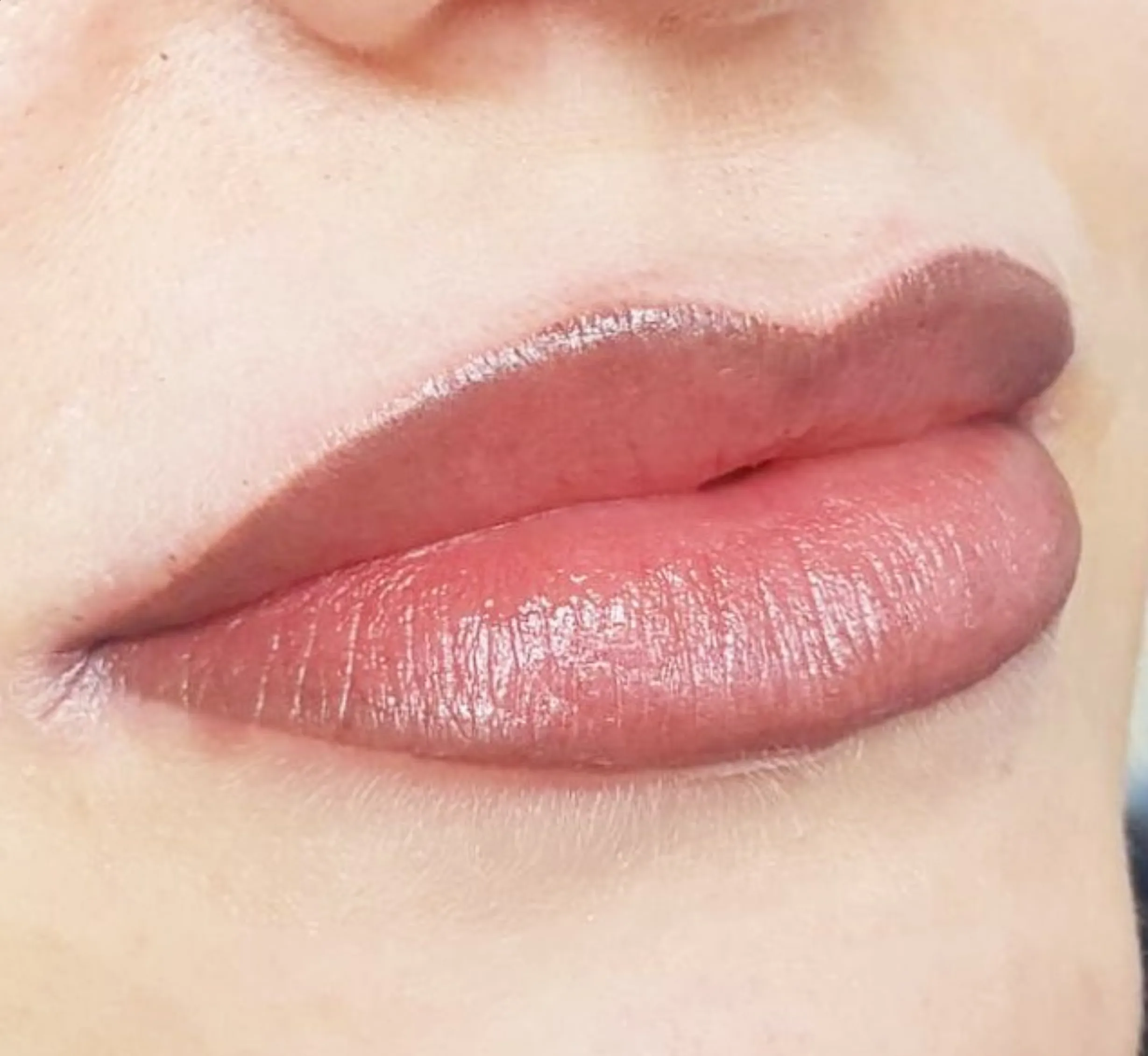
If your artist doesn’t offer numbing or says, “You don’t need it,”—that’s a red flag. While some clients do opt for a minimal-numbing approach (especially for touch-ups), comfort-first is the modern standard.
In most Melbourne studios offering semi-permanent cosmetic procedures like lip blush tattooing or lip staining, dual-phase numbing is standard. We want you calm, still and able to communicate—not clenching your fists through every pass.
Many artists offering lip blushing in Melbourne tailor their numbing approach based on your skin type and the specific cosmetic procedure.
Numbing Cream vs No Numbing: Quick Comparison
| Feature | With Numbing Cream | Without Numbing Cream |
|---|---|---|
| Pain Level | Mild to Moderate | Moderate to Intense |
| Client Movement | Minimal | Frequent flinching |
| Swelling & Inflammation | Often Reduced | May be Increased |
| Procedure Time | More Efficient | Can Take Longer |
| Client Experience | Calm and Positive | Often Stressful or Fatiguing |
2025 Update: What’s New in Lip Tattoo Comfort
More and more people are booking cosmetic lip tattooing in Melbourne than ever before, and comfort is the new differentiator. Studios are investing in higher-grade skin numbing creams, cooling tools, and even LED therapy for post-treatment soothing.
A recent beauty trend report showed that 82% of clients say comfort level influences whether they’d return for a touch-up. That’s huge.
Lip blush in Melbourne is evolving with better pigment technology, faster healing protocols and safer anaesthetic applications.
And in our studio? We’re trialling new pH-balanced gels that calm the skin without disrupting pigment saturation or coloured pigment retention. Results have been good, especially for full lip blush and semi-permanent colours.
Final Thoughts: Is It Worth It?
If you’re hesitating because you’re worried it’ll hurt, know this: numbing cream works well enough for the vast majority of clients to get through the appointment without tears, trauma or regret.
It’s not pain-free. But it’s manageable. And with a calm environment, a trained lip artist and the right topical anaesthetic protocols, it can actually be a chill experience.
So, does lip tattoo numbing cream work? It works the way a seatbelt does—keeps you steady, safe, and helps you focus on the road ahead. Just like any good cosmetic procedure, it’s all about preparation, safety and clear application instructions.
FAQs
Can I take Panadol before my lip tattoo?
Yes, you can take Panadol (paracetamol) about 30-60 minutes before your tattoo session. Avoid aspirin or ibuprofen as they can thin the blood.
How long does the numbing cream last?
Primary numbing lasts around 20-30 minutes, while secondary anesthetic gels can extend comfort for the duration of the lip blush treatment (approx. 1.5-2 hours).
What if I have a history of cold sores?
Let your tattoo artist know! You’ll need to take antiviral medication and boost your immune system with things like vitamin C beforehand to prevent a cold sore breakout.
Is there numbing in the aftercare balm?
No—aftercare balms are for healing and hydration, not numbing. Aftercare steps might also include lip balm, lip mask and avoiding hot drinks.
Can I ask for extra numbing if I feel pain mid-treatment?
Yes. A good lip artist will check in with you and reapply secondary numbing gel if needed. And if you’re ever unsure about anything—lip filler injections to laser tattoo removal options—ask away.