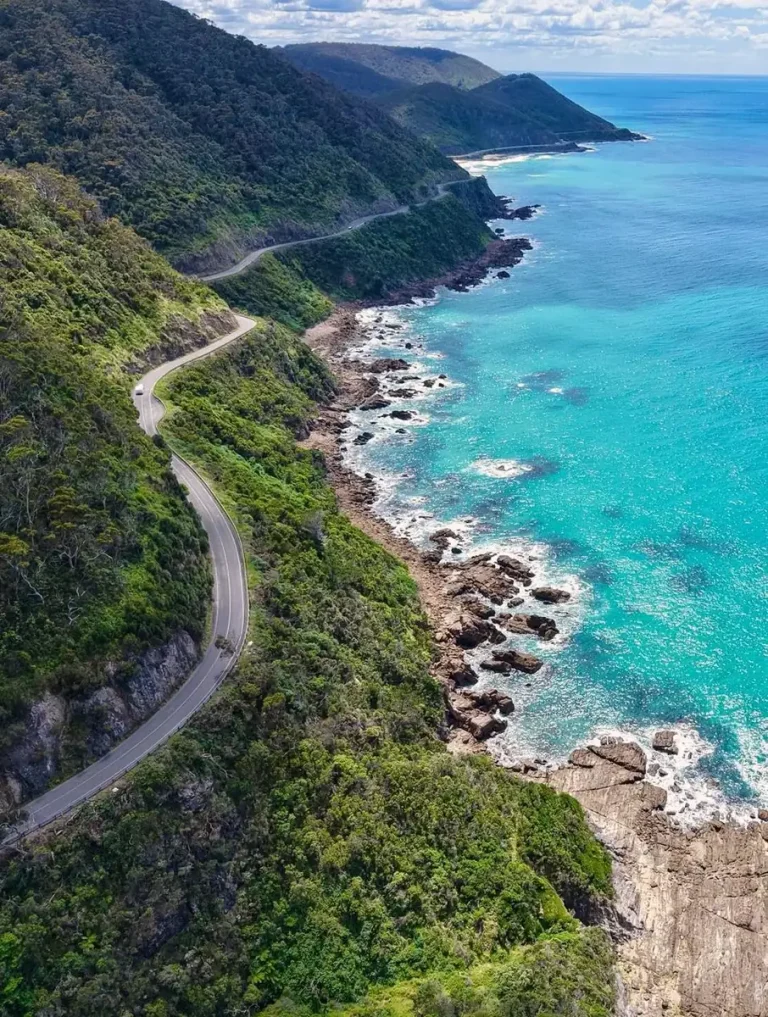








Why you should visit the Great Ocean Road in winter comes down to one simple truth: you’ll have more space, better wildlife encounters, and a far more authentic experience than peak summer — if you plan it properly.
I’ve run loads of Great Ocean Road tours, car park and winter consistently delivers the kind of trips people rave about. Fewer people around means more dramatic Southern Ocean conditions, and the chance to actually take it all in rather than rushing from one lookout to the next.
Contents
- 1 Less Traffic Doesn’t Mean Faster — But It Does Mean Better
- 2 The Southern Ocean: This Is The Real Show
- 3 Whale Watching Turns This Into A Different Kind Of Trip
- 4 The Otways: Don’t Skip This Section
- 5 Wildlife Is Easier — If You Slow Down
- 6 Costs Drop — But Know What’s Still Open
- 7 Logistics: How To Do This Properly
- 8 A Practical 1–2 Day Plan (No Guesswork)
- 9 Section Breakdown: Distance, Difficulty, And Highlights
- 10 Safety: The Stuff That Actually Matters
- 11 Quick Checklist: Don’t Leave Melbourne Without This
- 12 Who This Trip Is Really For
- 13 Final Word From Paul: Winter Is The Smart Traveller’s Play
- 14 FAQ
Less Traffic Doesn’t Mean Faster — But It Does Mean Better
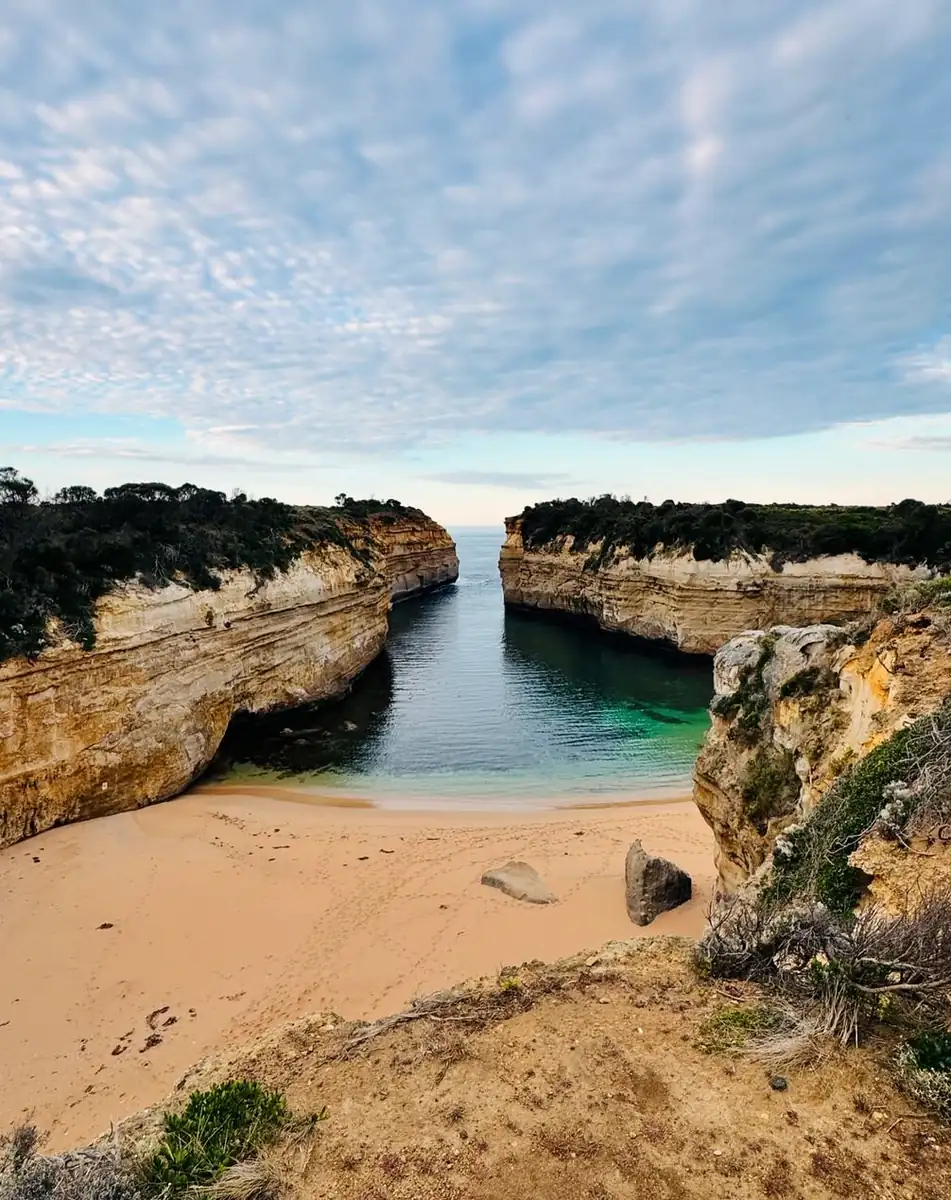
Winter sorts out the crowds, but don’t get the idea it’ll shave hours off your travel time – it just means you can stop when you want to, not because you’re stuck behind someone in the car park.
Along the Great Ocean Road, that makes all the difference – stops like the Twelve Apostles, Loch Ard Gorge, and Gibson Steps become open and welcoming, not hectic. You can linger and soak it all in.
The one thing that catches people out:
They assume winter = a quick day trip
Reality check – a Great Ocean Road day trip still looks like this:
- 4.5-6 hours Melbourne to the Apostles (no breaks, just driving)
- Add in viewpoints, walks, food, and you’re looking at 10-12 hours return – easy!
I’ve seen loads of travellers try to rush it, and end up missing the whole Otways experience – which is half the fun in winter.
The Southern Ocean: This Is The Real Show
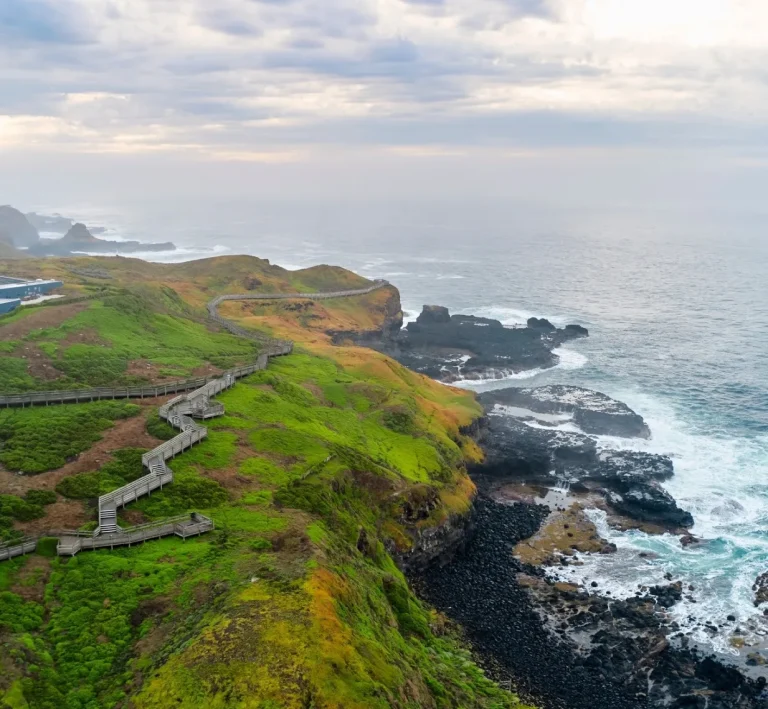
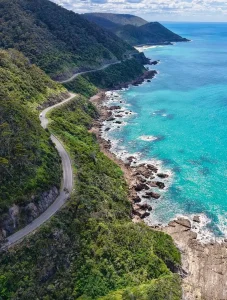
Summer might give you a calm day, but winter gives you scale, and the Southern Ocean packs a real wallop along the Shipwreck Coast. Places like London Arch, The Razorback, and Gibson Steps suddenly make sense – you can feel the force of the ocean and the power it’s got.
I remember a mid-winter stop at Port Campbell – sideways rain, wind howling, waves crashing against the cliffs. Half the group thought it sounded miserable beforehand. It ended up being the highlight of the entire Great Ocean Road trip.
Whale Watching Turns This Into A Different Kind Of Trip
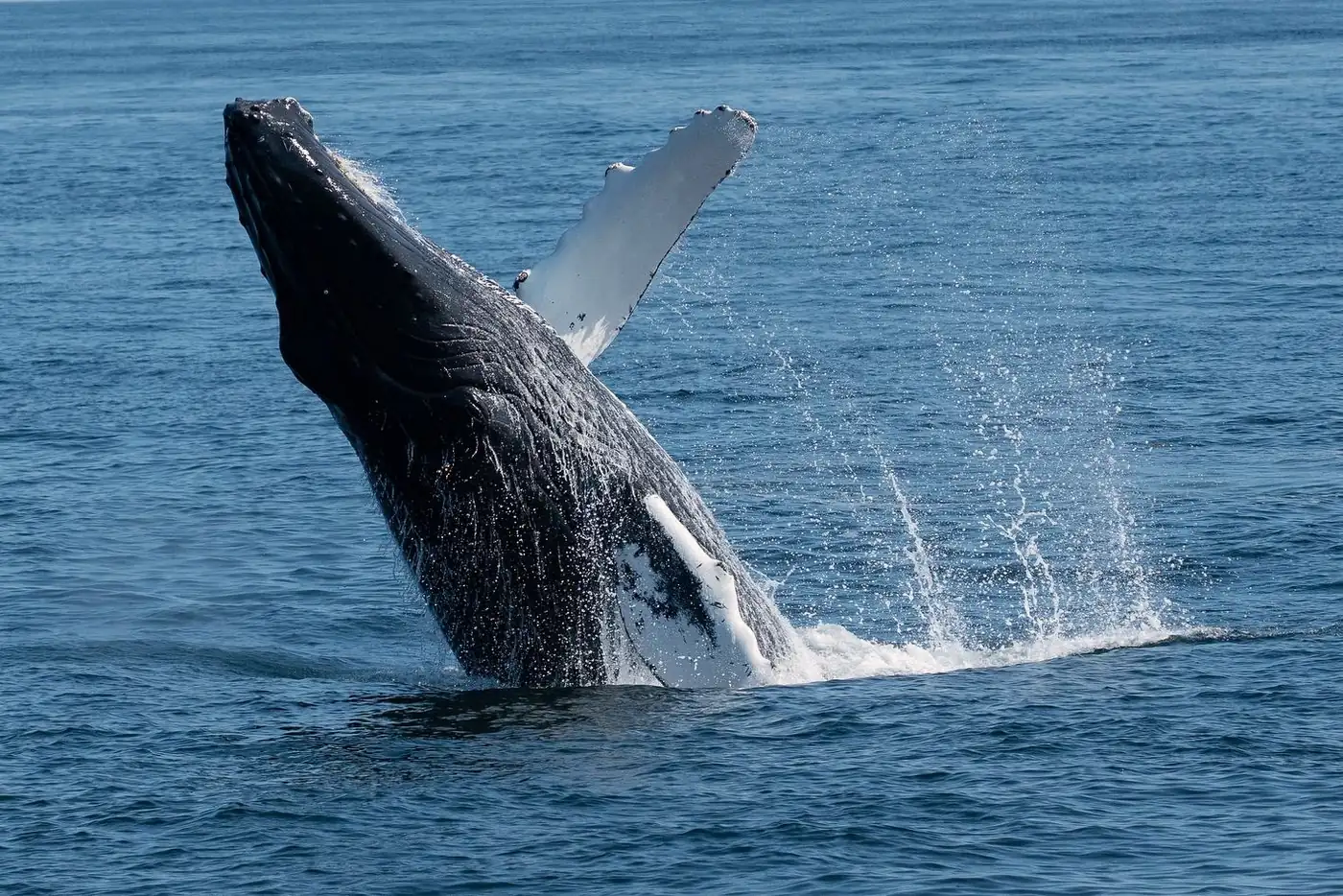
Winter is when the Whale Watching Season kicks in, and this is where the drive takes a whole different turn.
Round at Logan’s Beach near Warrnambool, you’ve got one of the most reliable whale spotting spots in the country – and not just Southern Right Whales, either – humpback whales, the occasional blue whales or orca whales if you’re really lucky. Suddenly, your road trip isn’t just a scenic drive; it’s a genuine wildlife experience.
What most people get wrong is:
They hang around for five minutes and then bugger off.
Whales don’t run on your schedule – hang around for 20-30 minutes, and that’s usually what makes all the difference between “we saw nothing” and “that was utterly unreal”.
The Otways: Don’t Skip This Section
If you just zoom past the Great Otway National Park on your way somewhere else, you’re going to be kicking yourself later – it’s one of the highlights of winter.
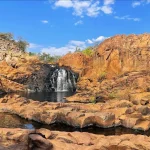
This time of year, waterfalls like Erskine Falls, Hopetoun Falls, and Triplet Falls are actually pouring with water – it’s really something to see. The forest takes on a whole different feel – dark, dank, and full of life – just the kind of atmosphere you’d expect in a proper rainforest.
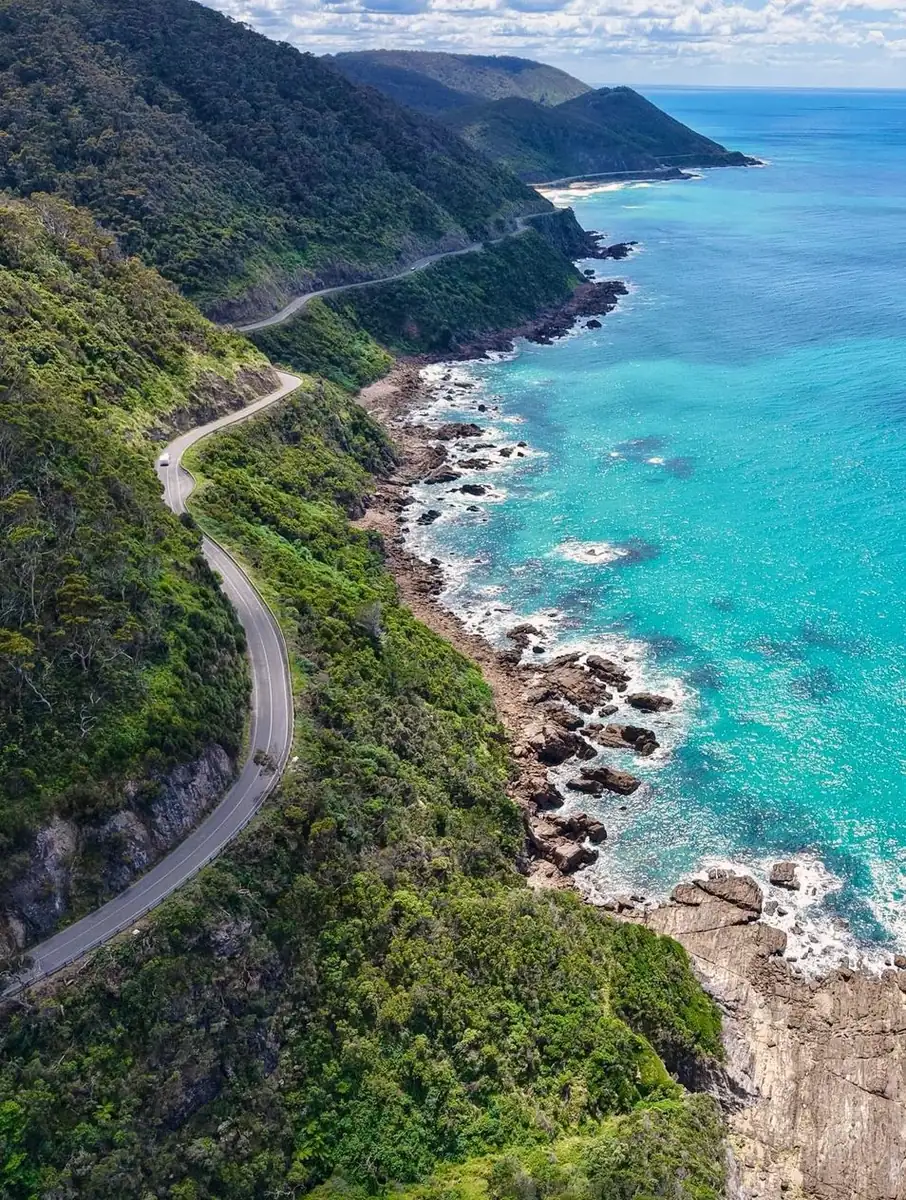
And then there’s the drive through the Otway Ranges. You can take Lavers Hill Road or Red Johanna Road – both routes are a bit of a slow affair, but not in a bad way. Actually, it’s all part of the charm when you get caught up in low cloud and mist. It’s not exactly the fastest going, but it’s worth it.
Real-world note
I had a group complain about a bit of a detour… until they got to Hopetoun Falls. Ten minutes later, and they were kicking themselves for not sticking around longer.
Wildlife Is Easier — If You Slow Down

Winter’s a good time to see Australian wildlife, and it’s not just because it’s easier to find. It’s actually because the heat’s gone and the animals aren’t hiding in trees all day.
You can spot koalas hanging out in Kennett River, kangaroos grazing near Apollo Bay, and all sorts of birdlife across the Otways. Cooler weather stretches out the animal’s active periods, so you’re more likely to catch them out and about – and what’s more, it feels less like you’re just spotting them by chance.
Costs Drop — But Know What’s Still Open
Winter is cheaper, but not everything runs at full capacity.
Realistic Costs (AUD)
| Category | Expect To Pay |
|---|---|
| Fuel (Melbourne return) | $80–$150, depending on vehicle |
| Meals per person | $20–$40 casual / $40–$70 sit-down |
| Accommodation (Apollo Bay) | $150–$280 mid-range |
| Attractions/parking | Mostly free |
Where To Stop For Food
- Great Ocean Road Brewhouse (Apollo Bay) – has a solid meal or two.
- Timboon Railway Shed Distillery – a good place to try some local produce.
- Great Ocean Road Chocolaterie & Ice Creamery – still hanging in there, but a little quieter than the others.
Logistics: How To Do This Properly
You’ve got a couple of choices – drive yourself or go on a guided tour.
What It’s Like to Self-Drive
- You’ve got total control over the timing, which is good but also keeps you on your toes.
- You’ve got to stay focused – the roads can be pretty slippery, and the turns are a lot tighter than you might be used to.
- And then there’s the planning – you’ve got to keep an eye on your fuel and make sure you’re not going to get caught out when the light starts to fade.
Guided Option
If you book a Great Ocean Road tour from Melbourne, you can leave the thinking to someone else. Operators like Autopia Tours know exactly how to pace the day to get the most out of it – even when the weather decides to let you down.
To be honest, a lot of travellers underestimate just how tiring the drive can be, especially in the winter. By the end of the day, they’re knackered. And that’s where a guided tour really comes into its own.
A Practical 1–2 Day Plan (No Guesswork)
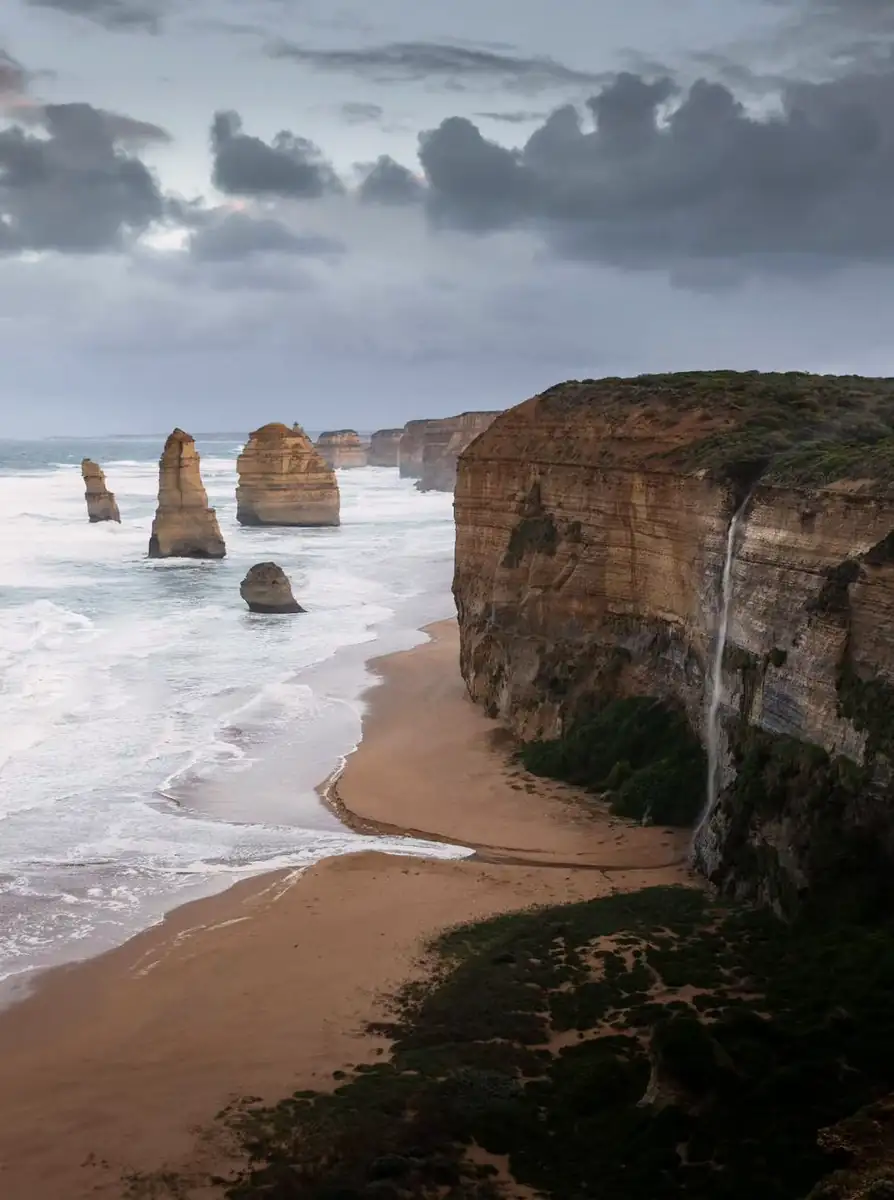
One Day (Doable, But Big)
Start early, head through Torquay and Bells Beach, push on through to Apollo Bay, then keep going on to the 12 Apostles. Then turn inland at Colac and head back.
Who It’s Right For:
If you’re a confident driver and short on time, this is doable – even if it’s a long day.
Who Should Give It A Miss:
Families with young kids, drivers who get the jitters, and anyone wanting a relaxed pace.
Two Days (The Better Option)
On day one,e you can explore the coast and the Otways, then on day two, you can take your time and take in the main sights – the Apostles, Loch Ard Gorge, London Arch and maybe even some whale watching in Warrnambool or Port Fairy.
Winter’s actually a great time to do the two-day tour – you’re not rushing, and you get to take in all the sights in a much more relaxed way.
Section Breakdown: Distance, Difficulty, And Highlights
| Section | Distance | Driving Difficulty | Highlights |
|---|---|---|---|
| Melbourne → Lorne | ~140 km | Easy–Moderate | Coastline, surf beaches |
| Lorne → Apollo Bay | ~45 km | Moderate (winding) | Cliffs, rainforest turn-offs |
| Apollo Bay → 12 Apostles | ~90 km | Easy | Major landmarks |
| Apostles → Warrnambool | ~75 km | Easy | Whale watching, Shipwreck Coast |
Safety: The Stuff That Actually Matters
The road itself is sealed, but don’t get cocky – that’s where the risks creep in.
Wet roads mean you can’t stop on a dime; the wind along clifftops will blow you off your feet; and those steps down to places like Gibson Steps will be icy.
And then there’s the ocean – don’t ever turn your back on the thing.
Quick Checklist: Don’t Leave Melbourne Without This
- A waterproof jacket to keep you from getting soaked to the bone.
- Some decent warm layers and a beanie to stay on the warm side.
- Good shoes (not just any old shoes) that can handle whatever the road throws at you.
- Snacks & water, just in case you get stuck.
- A map you can use without needing a signal (because, you know, signal drops out).
Who This Trip Is Really For
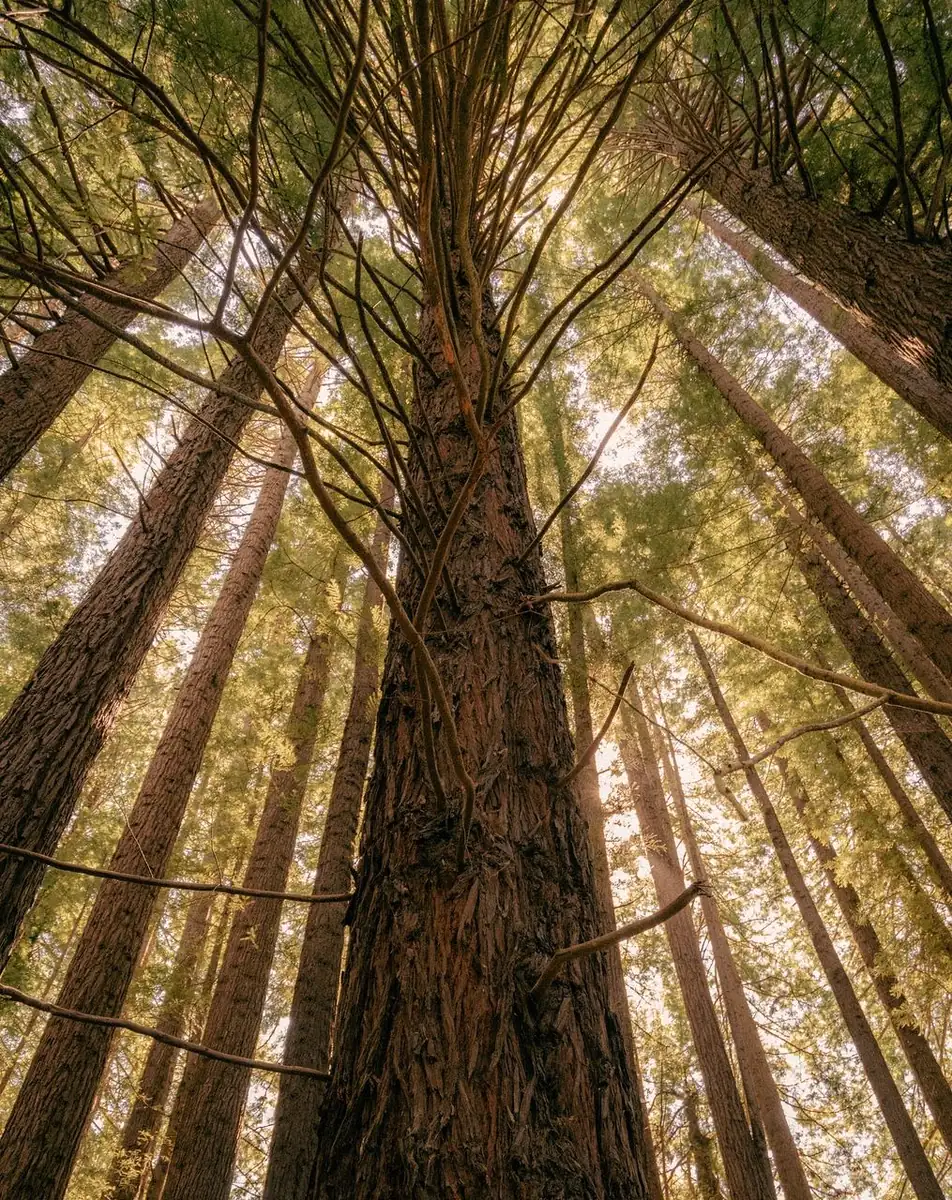
If a trip down the Great Ocean Road is what you’re after, then Winter is the way to go. If you like having some space, seeing some wildlife, and a bit of the unexpected, you’ll love it.
If, on the other hand, you’re after sun-kissed beaches, swimming, or just some quick snaps, then Summer is probably more your cup of tea.
Final Word From Paul: Winter Is The Smart Traveller’s Play
Most people just do the Great Ocean Road once – in Summer – and think they’ve seen the whole shebang…nope, they haven’t.
Winter – that’s the version that’ll really get under your skin. Fewer crowds, stronger conditions, better wildlife, and a pace that lets you take in the views for what they are.
Whether you drive it yourself or take one of the better-run tours, this is the bit that’ll stick with you.
FAQ
Is winter really the way to go for a Great Ocean Road trip?
You bet—less crowds, more wildlife, less hassle all round.
Can you see whales along the Great Ocean Road in winter?
Yep. Southern Right Whales & humpback whales are pretty common sights, especially near Warrnambool & Logan’s Beach.
Are Great Ocean Road tours still running in winter?
Yeah, lots of them do, and they’re usually a lot smaller and better value to boot.
Is it just too bloody cold?
It’s cool (around 8-15°C), but just bundle up with some decent gear, and you’ll be good to go. Fewer crowds, better views and all that…
What’s the biggest mistake people keep making in winter?
Still underestimating how long it’s going to take to get from A to B and how quickly the weather can turn on you. Get your act together, check the forecast and allow some extra time, and you’ll be golden.