








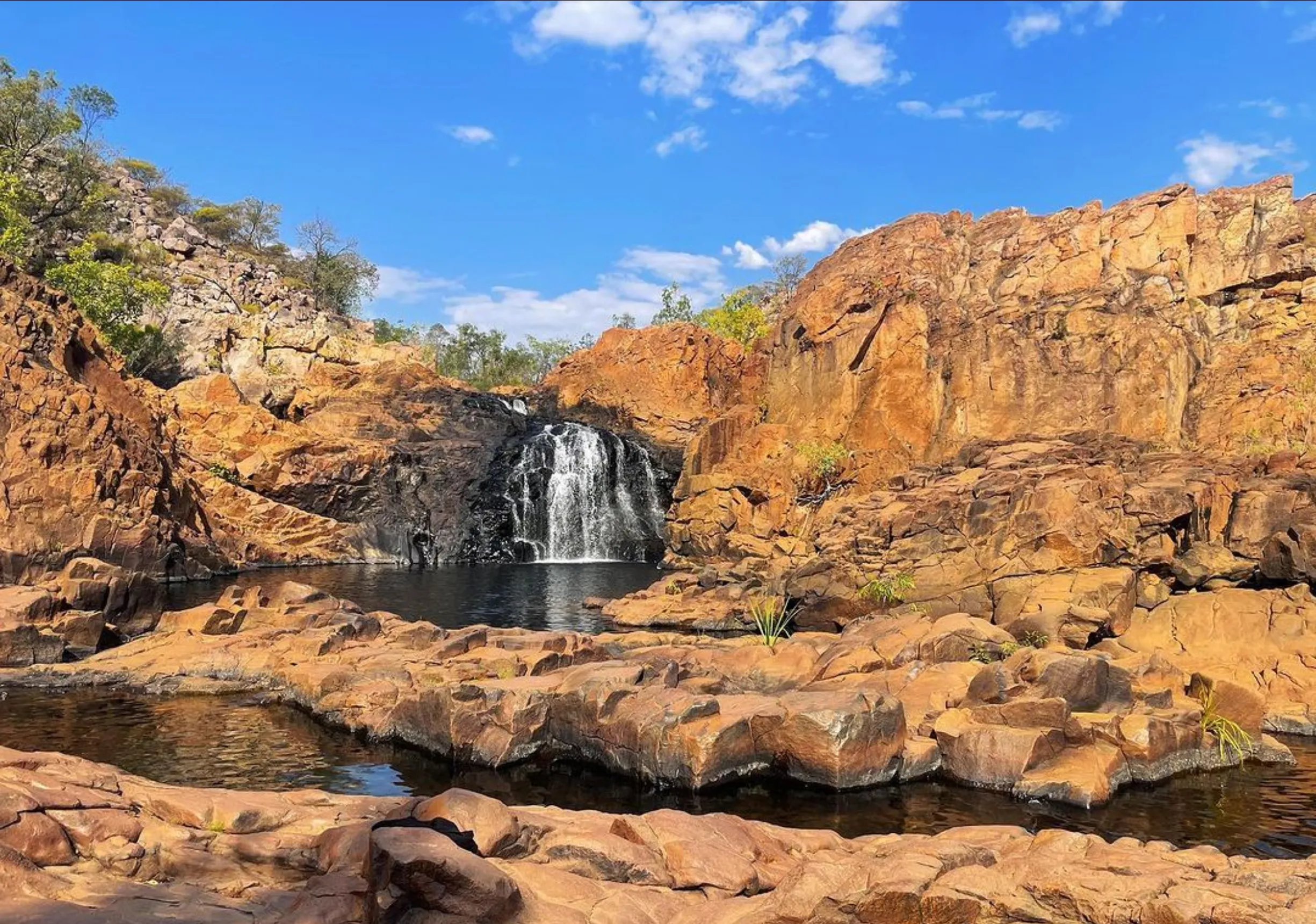
Katherine is a lovely town in the Northern Territory of Australia with a rich cultural, historical and geographical significance. Situated on the banks of the Katherine River, 320km south of Darwin, this outback town is more than just a gateway to natural wonders – its name has deep historical roots that reflect both Indigenous and European history. Today it’s known for its community service, urban centres and preserving natural and cultural history. With a growing Indigenous population and black history in Australia’s Top End, Katherine plays a big part in regional identity and education.
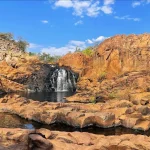
Nearby attractions like Edith Falls, Cutta Cutta Caves and Nitmiluk National Park make Katherine a must-stop for adventurous travellers. Many of these sites show the close relationship between people and nature, freshwater crocodiles and occasional saltwater crocodiles. Visitors often go with trusted operators like Wildlife Tours who focus on cultural respect, conservation and outdoor experiences. A Katherine Gorge tour is often the highlight for many visitors, with breathtaking views of the sandstone escarpments and insight into Indigenous culture.
The Indigenous Connection
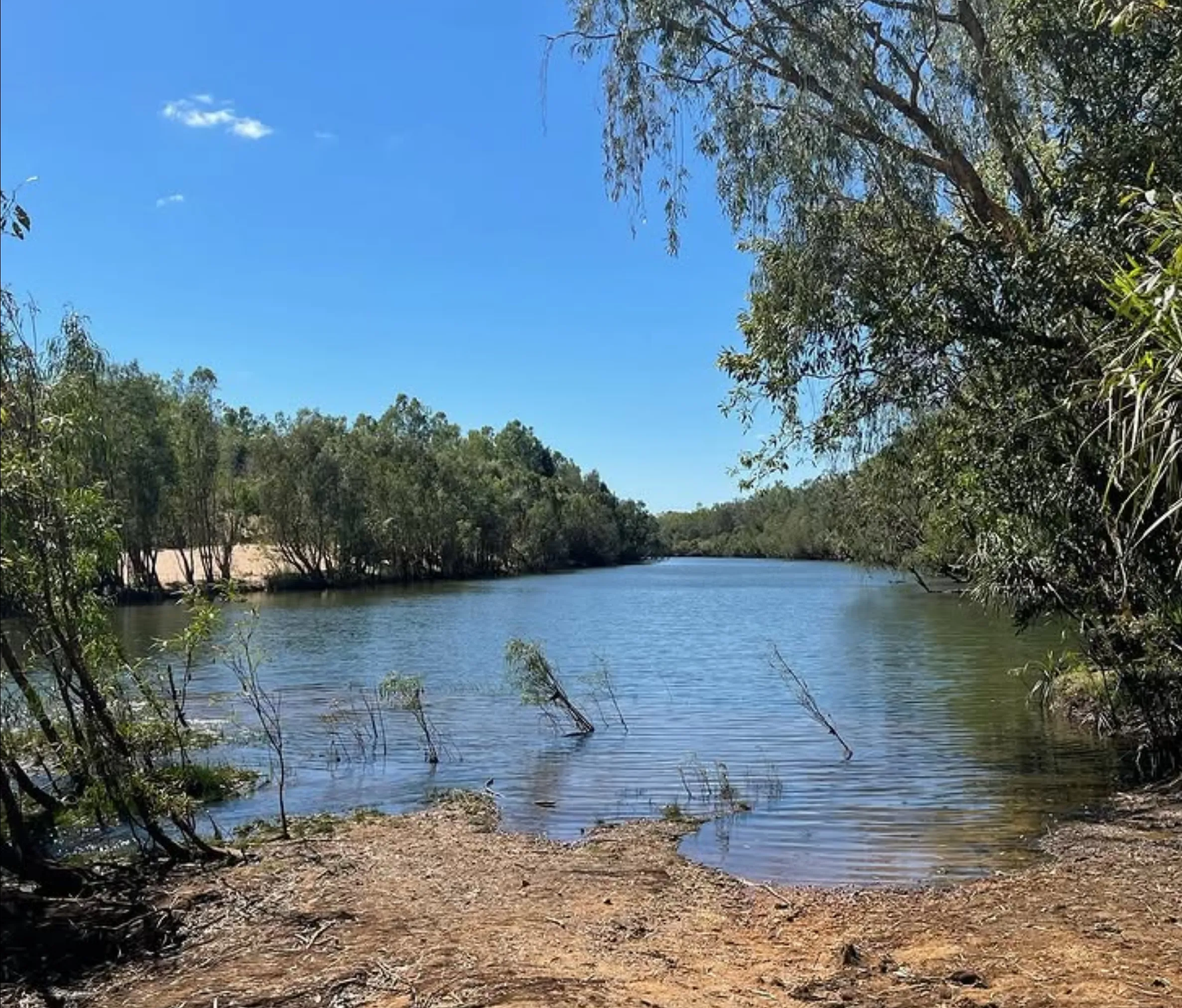
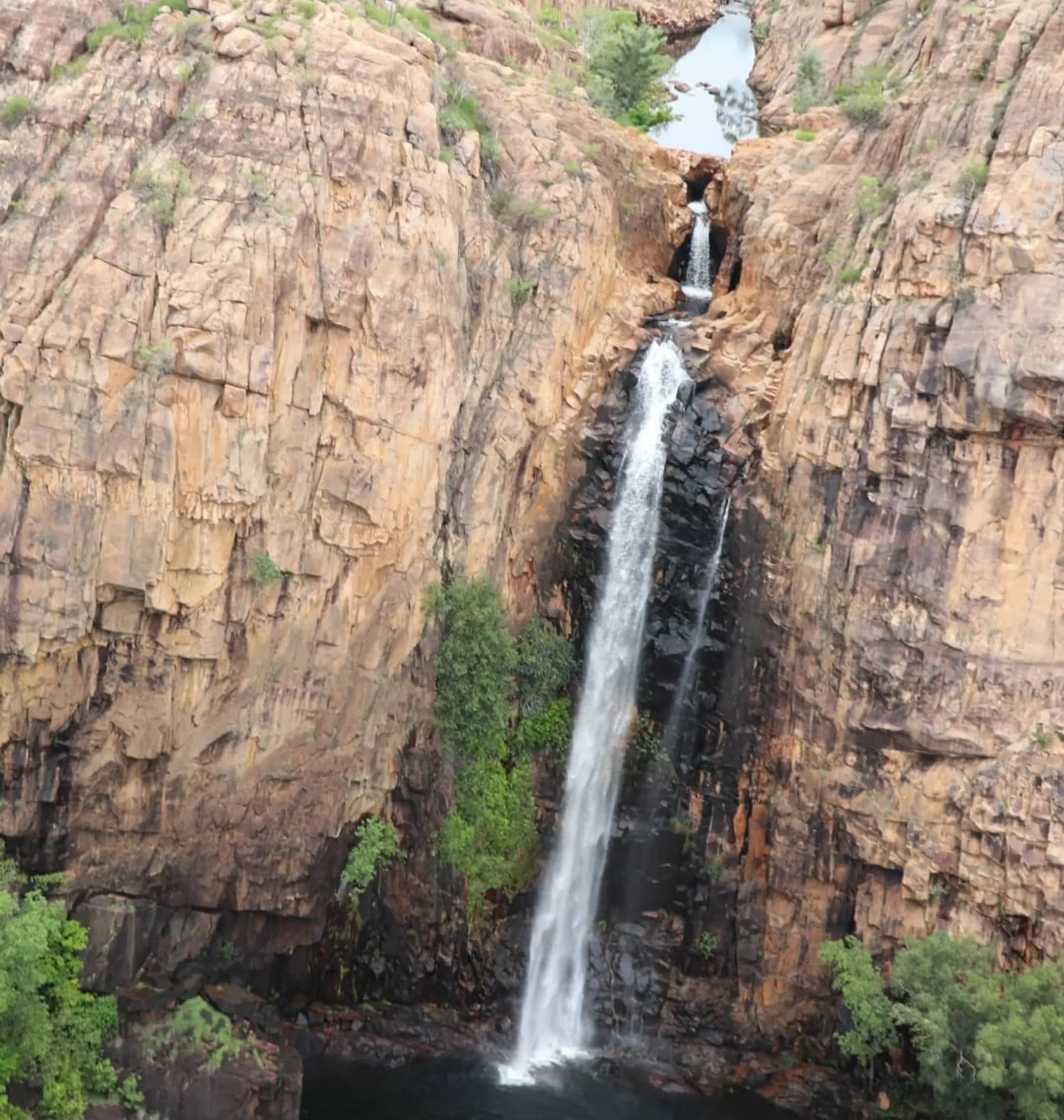
Before European settlers arrived the area now known as Katherine was home to the Jawoyn, Dagoman and Wardaman peoples for thousands of years. These Aboriginal groups have a deep spiritual and cultural connection to the land, with many sacred sites throughout the Katherine region including Nitmiluk (Katherine Gorge) and the dramatic sandstone escarpments that shape the landscape. Although the name “Katherine” is not from an Indigenous language, the town is inextricably linked to its traditional owners and the Aboriginal land trusts that manage and protect these traditional lands.
These lands have been home to generations of Indigenous people, ceremony and country. The broader Katherine area is also significant in discussions of Aboriginal population dispersal and cultural geography in the Northern Territory. The town is a hub for Aboriginal art, storytelling and cultural knowledge and essential education in school programs and guided Katherine tours that connect visitors with living heritage.
Stuart’s Name
The name “Katherine” was given to the river by Scottish explorer John McDouall Stuart on 4th July 1862 during his crossing of Australia. Stuart named the river after Katherine Chambers, the second daughter of his patron James Chambers. This was the European tradition of naming girls after a virtue or personal characteristic. There is debate about the original spelling—Katherine or Catherine—Stuart’s journals show the “K” spelling.
This is the same practice we see today, “Katherine” is in the top 100 of baby name registries like Baby Name. Parents like it because of its heritage and associations. The name makes them search for middle names and the perfect name combination, linking modern families with old naming customs and language. Katherine as a given name is part of broader cultural trends, so it’s a topic of interest not only in baby naming communities but also in editorial process reviews and sociocultural studies.
The Township
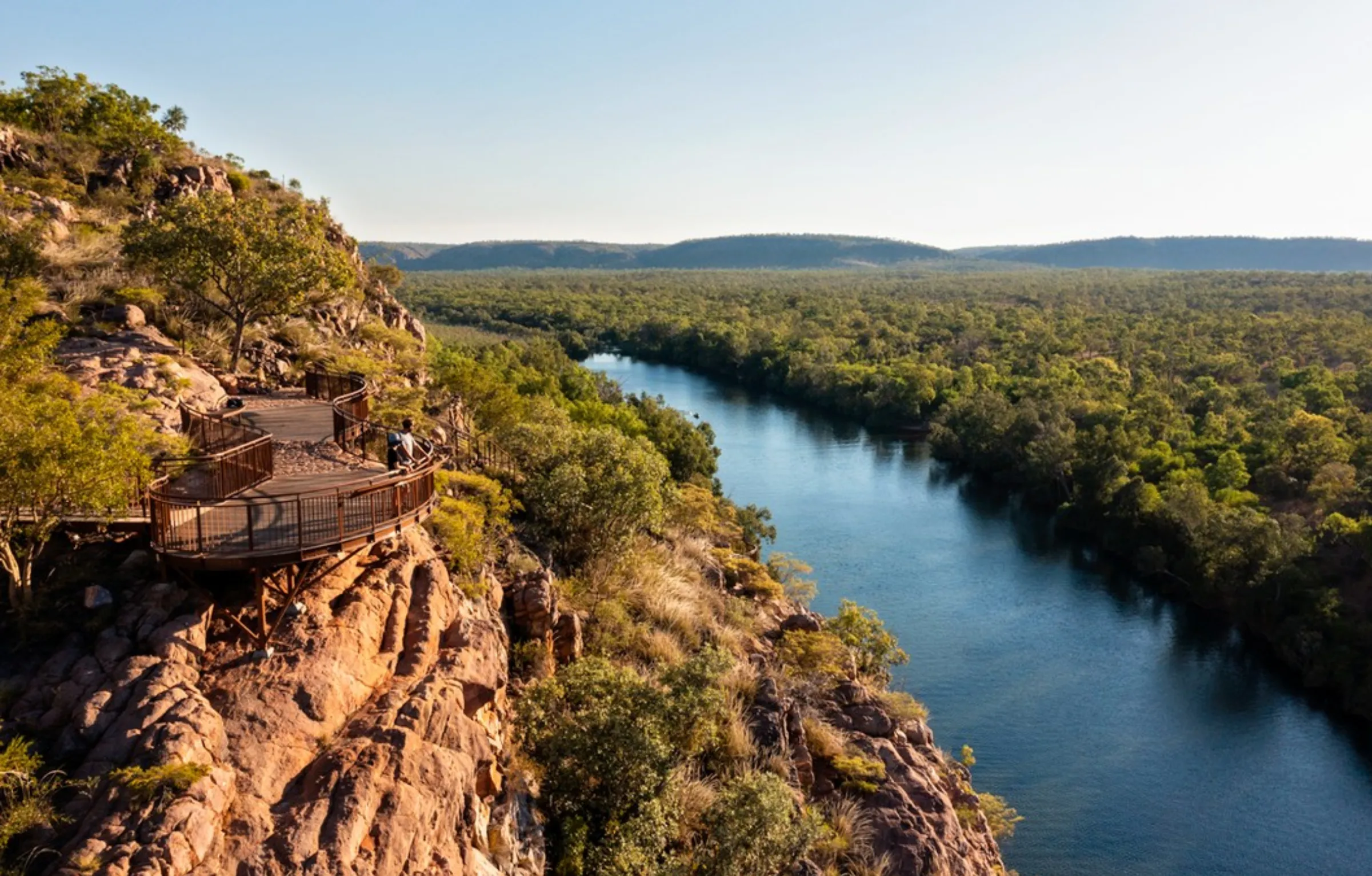
Katherine township began with the construction of the Overland Telegraph Line in the early 1870s, a national achievement that brought communication and progress to the north. The town grew quickly when the North Australia Railway arrived in 1926 and Katherine became a hub for trade, agriculture and logistics. Its role in World War II put it at the centre of regional military operations.
Today Katherine is a vital link between rural communities and major cities. It has healthcare services, schools, government departments and environmental projects to support the diverse populations of the Top End. Medical review studies done in the town have improved health outcomes for Indigenous and non-Indigenous Australians alike.
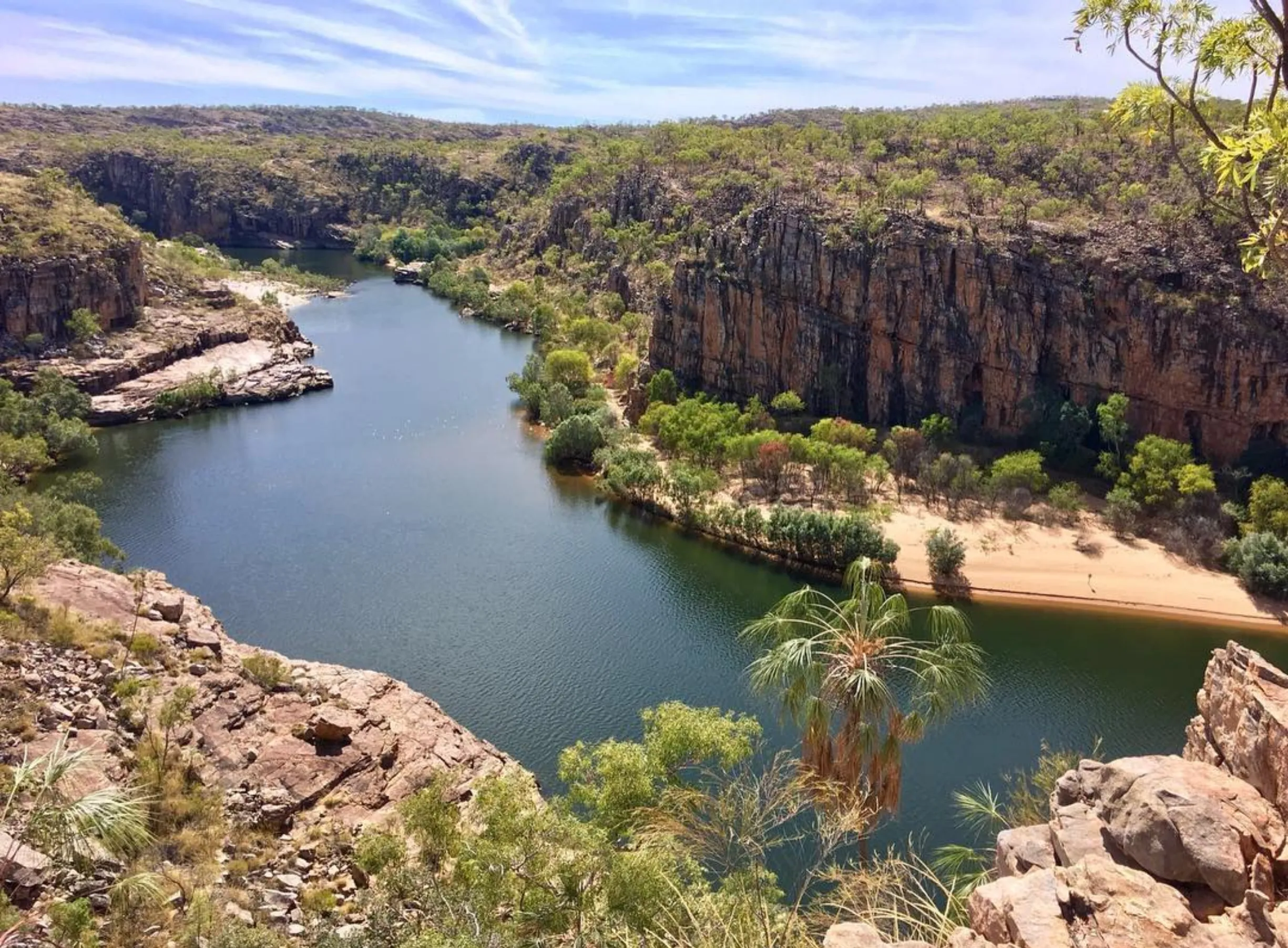
Now Katherine is tackling challenges like infrastructure development, cultural preservation and national disaster preparedness. Being close to rivers with freshwater and saltwater crocodiles means detailed safety education and emergency planning protocols. These are often guided by knowledge passed down through Aboriginal communities, acknowledging the value of Indigenous perspectives in modern governance.
Katherine’s local museum, town centre exhibitions and regional archives have plenty of information on its transformation from frontier settlement to cultural hub. Tourists and historians can scroll through historic photos and documents, on-site or from a browser window in light mode, to see how digital access complements physical storytelling. Darwin to Katherine Gorge Tours are a great way to experience the region’s natural beauty while learning about its cultural history.
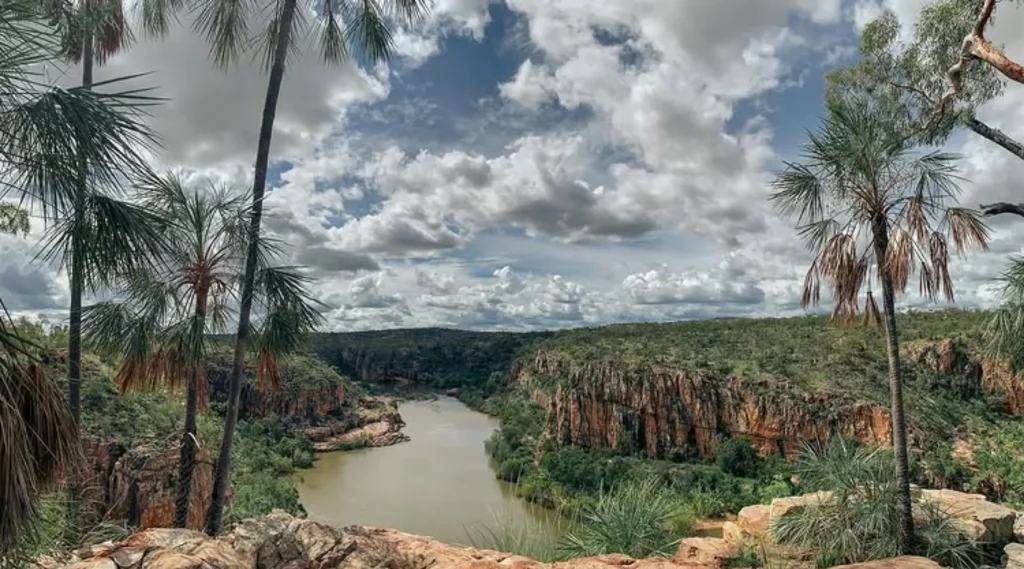
From the earliest version of its name on 19th-century maps to its current place in heritage and travel talk, Katherine is a place where ancient traditions and modern life coexist. Whether through black history, land rights activism or as one of Australia’s most popular girls’ names, Katherine is shaping conversations in many ways. For those from the Top End, Darwin to Katherine Gorge Tours are the easiest way to see this for yourself, comfort, insight and scenery. Other Katherine Gorge tours from Darwin mean you can visit this icon as part of your wider Northern Territory adventure.
FAQ
Who named Katherine and why?
Katherine was named by explorer John McDouall Stuart in 1862 after Katherine Chambers, the daughter of one of his expedition sponsors. It was a popular name of the time, based on personal ties and European naming conventions.
Which Indigenous groups are connected to the Katherine area?
The Jawoyn, Dagoman and Wardaman people are the traditional custodians of the Katherine area. They have maintained a strong connection to the land for thousands of years and now manage the land through Aboriginal land trusts.
Is the name Katherine of Aboriginal origin?
No, the name “Katherine” is of European origin and was introduced by the Stuarts. But the town is on Indigenous land with a large Aboriginal population and long-standing cultural practices.
When did the town of Katherine start to develop?
The town started to grow in the 1870s with the Overland Telegraph Line and really took off after the railway was built in 1926. These milestones made Katherine an important urban centre.
What’s the significance of the Katherine River?
The Katherine River is a geographical and cultural icon. It’s spiritually significant to Indigenous people and plays a big role in biodiversity, tourism and crocodile management, with both freshwater and saltwater crocodiles.