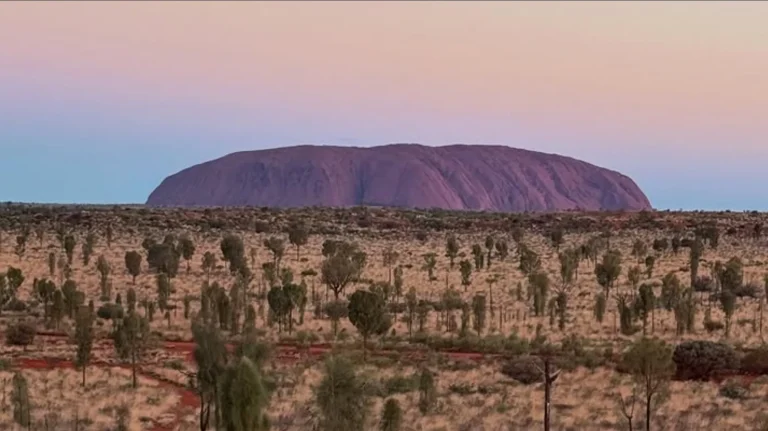






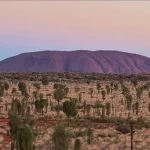




We all know Uluru as that great glowing monolith smack in the middle of the desert landscape. It’s the star of a million postcards, Instagram reels, and, let’s be honest, the occasional jigsaw puzzle. But here’s a curly one for you: did you know Uluru wasn’t always red? Yep. Once upon a geological time, the big rock was grey.
When I first clapped eyes on it back in the early 2000s, I camped out nearby and watched the rock shift colours with the light — but I had no clue about its rusty backstory until a local ranger gave me the rundown. Since then, I’ve taken dozens of travellers out there, and the science never fails to blow minds.
If you’re new to the region, Uluru tours are a great place to start. Whether you’re rolling in from Alice or flying directly to Yulara, there’s a Uluru tour style for everyone.
So, let’s dig into what really gives Uluru its red coat, why it started off a dull grey, and how knowing this stuff actually helps you plan the ultimate Red Centre adventure.
Contents
The Science You Didn’t Learn in School
Uluru is made of something called arkose sandstone. It’s basically a rock type that’s rich in feldspar, and feldspar, when it’s fresh, is a light grey mineral.
Here’s what happened:
- Around 550 million years ago, during Uluru’s creation period, massive mountains (bigger than the Himalayas today) eroded into sediment
- That sediment washed into an inland sea and compacted into arkose
- Tectonic activity flipped it on its side
- Over time, the outer layer oxidised
And voila — we got the giant red rock we see today. The rust-red colour you know and love? That’s from iron oxidation — basically, Uluru is rusting.
Quick Science Hit:

- Original colour: Grey
- Current colour: Red, thanks to oxidised iron in the sandstone
- Underneath: Still grey! If you chipped away the surface, you’d see its true original tone
This physical evidence of rusting tells a big story about Uluru’s geological history and mineral composition.
Why the Red Matters for Travellers
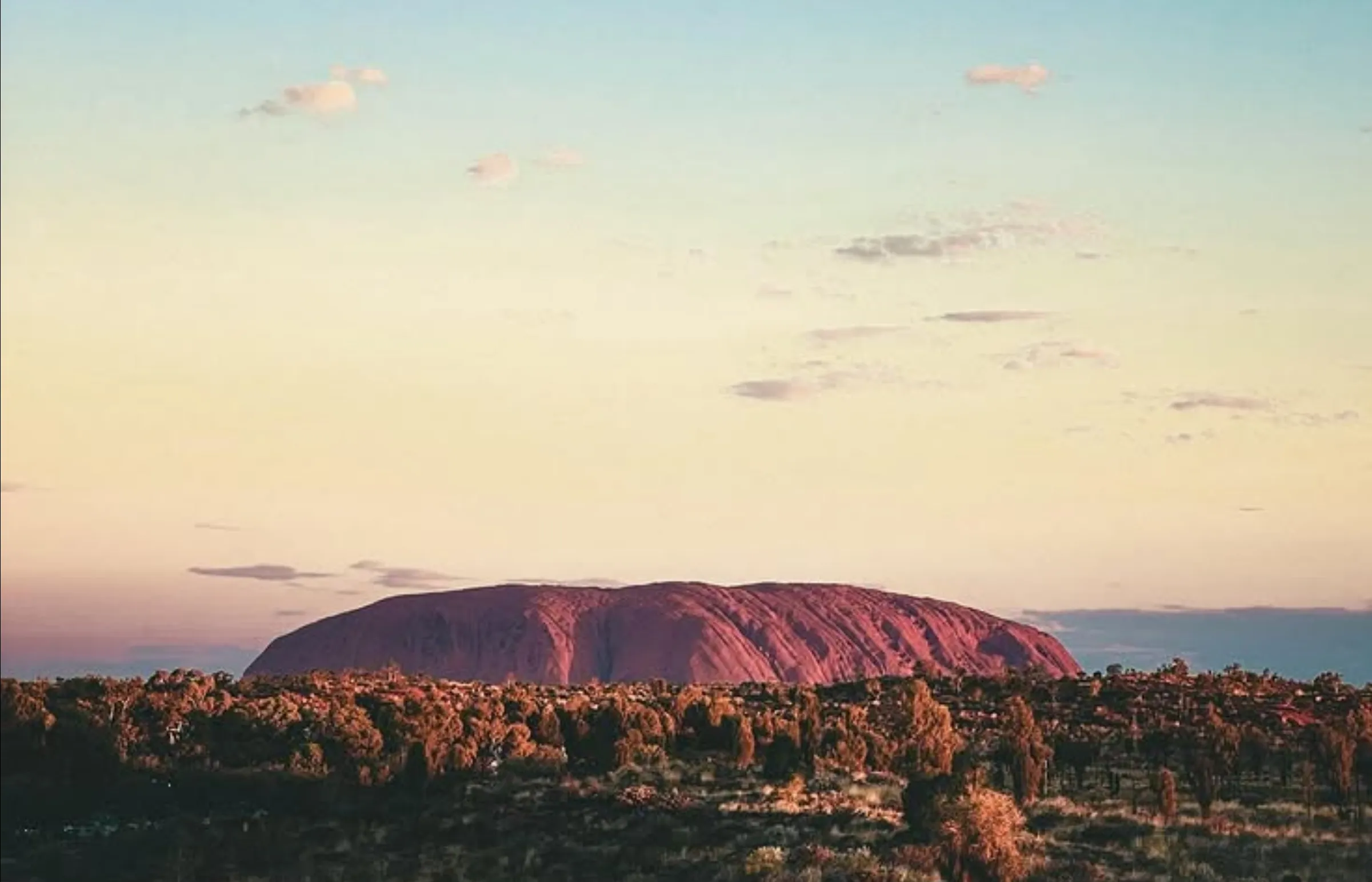
Knowing that Uluru is basically a rusty old rock changes how you look at it — literally. That red sheen isn’t constant. It shifts with the sun, season, and even the desert sand and dust in the air.
Here’s what I tell people planning a trip:
Best Times to See Uluru Glow:

- Sunrise: Best time for soft pinks and that surreal early light. Head to the Talinguru Nyakunytjaku viewing platform.
- Sunset: Rich ochres and deep reds explode when the sun hits it just right. Great view from the car sunset viewing area.
- After heavy rains, Rare but magical, the rock darkens and waterfalls cascade down its sides. Makes the red more dramatic.
Bring:
- A polarising lens if you’re a shutterbug
- A beanie (mornings are cold, even in the desert)
- Your patience: good photos mean arriving early
For a quick yet satisfying outback escape, a 2 day Uluru tour can pack in sunrises, sunsets, and cultural stops — perfect if you’re tight on time but want the full colour show.
What’s Under the Surface

If you ever get a chance to walk around Uluru (the base walk is a beauty, by the way), you’ll notice places where the surface rock has flaked off. Look closely — under that iconic red outer layer, you’ll spot grey rock.
These are natural exfoliation zones caused by:
- Thermal stress (big temperature swings crack the rock)
- Salt weathering (from underground moisture and evaporation)
And that grey? It’s the unoxidised arkose — the rock’s original colour before millions of years of exposure to air and water.
This tells us a lot about the desert’s effect on rock types and the long process of creation.
Cultural Layers: More Than Just Geology
While the science is fascinating, you can’t talk about Uluru without respecting its traditional owners, the Anangu Aboriginal people, and their Tjukurpa (law and story). For them, the colour of the rock is more than just a science lesson — it’s part of a sacred living landscape.
When I take groups out to Uluru, we always recommend doing a guided cultural walk with a local Aboriginal guide. You’ll learn how:
- Certain rock features tie into Dreaming stories
- Colours relate to spiritual beings
- Seasonal changes guide hunting and ceremony
- Sites like the ceremonial pole areas carry deep meaning
The red rock is an essential symbol in their lore, not just a photo op.
Knowing that the rock was once grey adds another layer to your understanding, like peeling back the skin of the Country to see its ancient life.
Planning Your Trip Around Uluru’s Colours
Here’s a no-fuss guide to seeing Uluru at its reddest, based on years of dusty boots and sunrise brekkies:
Dry Season (May to October)
- Clear skies = more dramatic colours
- Chilly mornings (5°C or less), warm days (20–30°C)
- Best time for walking the base or climbing the dunes for photos
Wet Season (November to April)
- Fewer crowds
- Colours shift with clouds, storms, and rain
- Hot and humid (up to 40°C), risk of park closures
- Lightning storms can create surreal, stormy photo ops
Insider Tips:
- Do the Uluru Base Walk early (it’s 10.6 km — flat but long)
- Respect sacred sites and photography restrictions
- Don’t climb the rock (it’s closed, and culturally disrespectful)
- Watch for endemic plants during the wet season
- Avoid exotic plant species near the tourist facility — they’re not native and can threaten the local ecosystem
If you’re looking to maximise your trip, consider combining an Alice Springs Uluru tour — it adds more context and helps you appreciate the scale of the Red Centre.
Real Talk: What Catches Newbies Out
Even seasoned travellers can be surprised by:
- Temperature swings: Pack for both hot days and cold nights
- Flies: Bring a head net — they’re relentless in summer
- Fuel stops: Fill up at Yulara; options are limited past that
- No mobile signal: Don’t expect bars out on the tracks
I once had a GPS send a group off onto an unsealed track that looked doable on the map but was absolute chaos after rain. Always check local road reports and talk to the visitor centre staff. They know what’s washed out and what’s open.
And don’t forget, you’re on Aboriginal land — treat it with the utmost respect.
If you’re keen on a short adventure from Yulara, Uluru day tours are popular — they hit the key sights and still leave time for a cold tinnie before sunset.
Final Thought
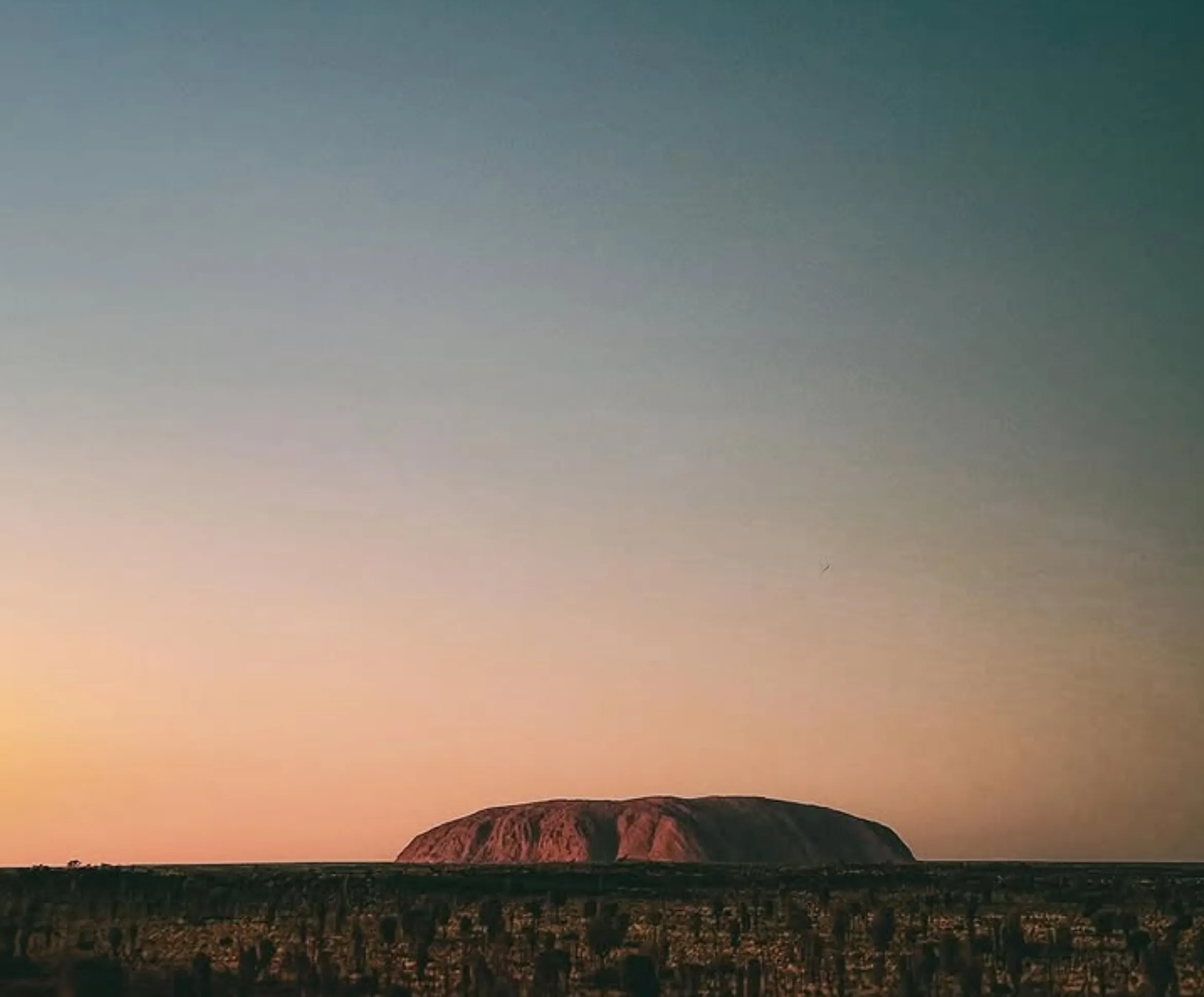
Learning that Uluru was once grey changes how you see it. It reminds you this isn’t just some Insta-famous monolith — it’s a living, breathing part of Country, shaped by time, weather, culture, and geology.
Next time you see Uluru blaze at sunset, remember that red is hard-earned. It took 550 million years of weather, wind, and wisdom to get there.
Got questions about visiting the Red Centre or planning your own dry-season loop through the NT? Flick me a message — happy to share tips and routes we run on our guided eco-trips.
And if you’ve seen Uluru after rain? Drop your story below — I’m always collecting yarns from the road.
FAQ
Why was Uluru grey originally?
Because it’s made of arkose sandstone, which is rich in feldspar, fresh feldspar is light grey before it oxidises.
Is Uluru still grey underneath?
Yep — if you chip beneath the surface or find a weathered patch, you’ll see its original colour.
Can I see the grey parts during my visit?
Yes, especially on the Uluru Base Walk where natural erosion reveals the inner rock.
Why does Uluru change colour throughout the day?
The red hue intensifies or fades based on light angle, moisture, and dust in the air — it’s basically nature’s light show.
What’s the best time of year to visit for colour?
May to October (dry season) offers the clearest skies and richest reds at sunrise and sunset.